
Birth is one of the most profound human experiences.
It is a moment of extraordinary strength, deep connection, vulnerability and transformation—for both mother and baby. And yet, too often, we fail to recognize just how deeply the experience of birth can shape a mother, a baby and the beginning of a family.
Every mother deserves to enter this experience feeling informed, supported, heard and deeply cared for.
But when birth unfolds in a system where her voice, choices and emotional well-being can become secondary to the process of care itself, we risk losing sight of the person at the center of it all.
And perhaps even more importantly, this problem doesn’t end when she leaves the delivery room.
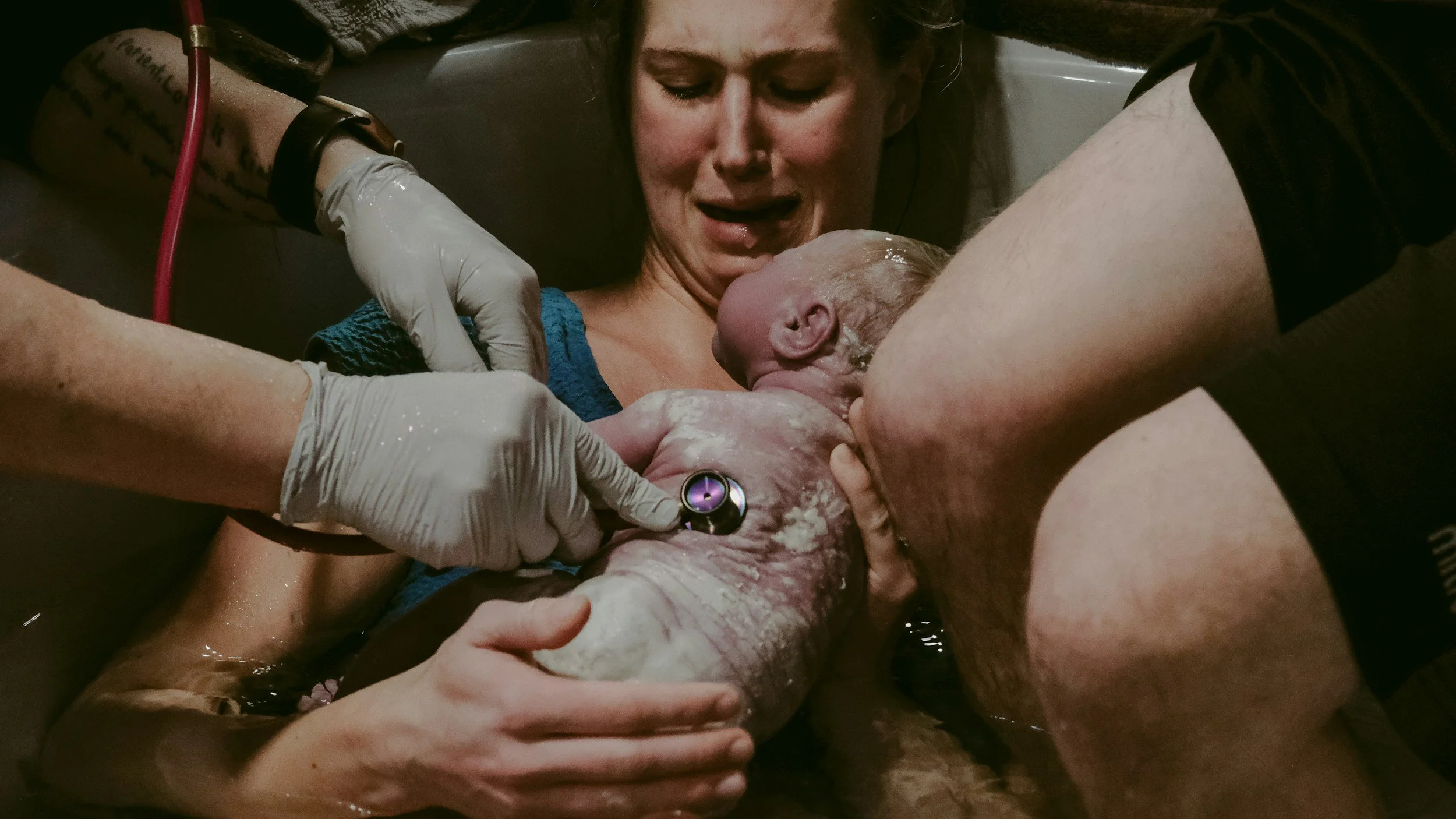
Birth is one of the most profound human experiences.
Motherhood Doesn’t Happen in Compartments
We tend to talk about pregnancy, birth, postpartum, breastfeeding and returning to work as though they are separate chapters.
A woman prepares for birth.
Then she has her baby.
Then she recovers.
Then she figures out feeding.
Then, for many women, she returns to work.
But a mother does not experience these transitions in neat, isolated compartments. She experiences them as one continuous transformation.

Motherhood Doesn’t Happen in Compartments
The woman returning to a conference room three months after giving birth is still living in the body that carried and birthed her baby.
She may be healing physically. She may be navigating breastfeeding or pumping. She may be sleeping in fragments. She may be learning an entirely new identity while simultaneously being expected to step back into an old one.
This is why I believe the conversation about improving birth has to become much bigger than birth itself.
We need to ask a more fundamental question:
What would our systems look like if they were actually designed around the realities of becoming a mother?
The Pumping Bag Tells a Bigger Story
I was grateful to be invited to speak to this topic in a recent Forbes Vetted guide, A Professional Mom’s Guide To Pumping At The Office, which offers practical advice for mothers preparing to pump after returning to work—from speaking with HR and locating a pumping space to packing supplies, choosing clothing and preparing a pumping bag the night before.
It’s useful advice. Women need practical tools that make an enormously demanding transition easier. But the very need for so much preparation points toward something larger.

The Mental Load
A mother returning to work isn’t simply remembering a pump.
She may be transporting milk, pump parts, chargers, cleaning supplies, storage containers, snacks and everything else required to sustain feeding while simultaneously carrying the mental load of remembering when to pump, where she can pump, how long she can be away from her work and whether she will have enough milk to bring home.
And she is doing all of this while trying to perform professionally as though very little has changed.
That is not simply a pumping problem.
Accommodation Is Important. But Belonging Goes Further.
In the United States, federal law provides important protections. Under the Fair Labor Standards Act as amended by the PUMP Act, most nursing employees are entitled to reasonable break time to express milk when needed and a private space that is shielded from view, free from intrusion and is not a bathroom, for up to one year after birth. (U.S. Department of Labor)
Those protections matter enormously.
But compliance should be the floor, not the ceiling.
There is a meaningful difference between technically accommodating a mother and creating an environment in which she feels that motherhood genuinely belongs.
A locked room may satisfy an important physical need.
But culture determines whether a woman feels guilty walking into it.
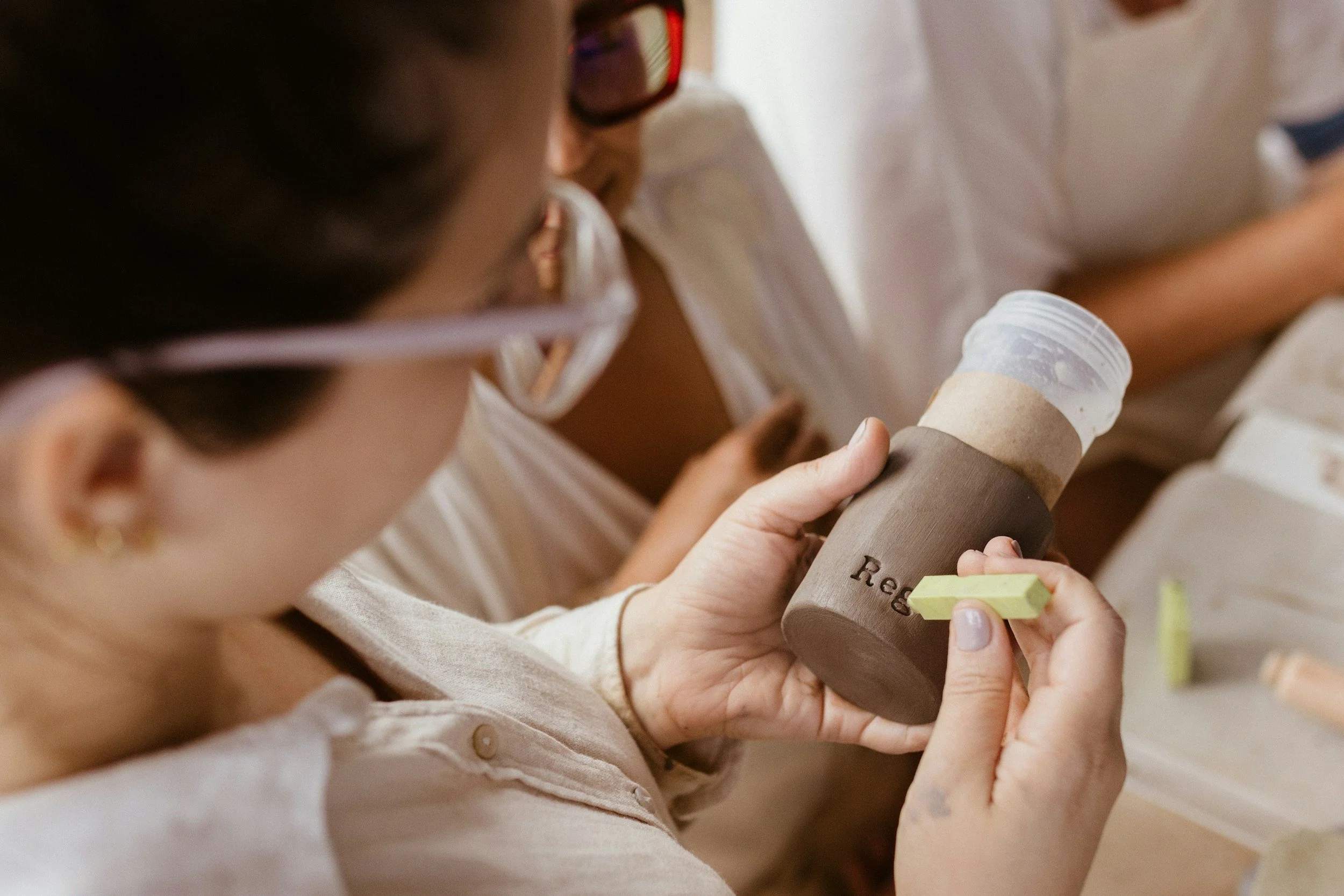
A pumping break may be protected.
But culture determines whether she feels pressure to answer emails while pumping.
A policy may tell her that she is allowed to take the time she needs.
But leadership determines whether she actually believes it.
Even the Department of Labor recognizes that pumping needs cannot simply be standardized: the frequency and duration of breaks can vary depending on the employee and her baby. (U.S. Department of Labor)
Motherhood is inherently human. Our systems have to leave room for that humanity.
We See the Same Pattern in Birth
This is also what makes the conversation about birth so important.
Modern maternity care can do extraordinary things. Medical expertise and intervention can save lives, manage complications and provide essential care when mothers and babies need it.

Safety and humanity should not be competing goals.
A mother can receive technically excellent care and still leave birth feeling that she wasn’t heard.
She can have a healthy baby and still feel unsettled by what happened.
She can be grateful for medical care and simultaneously wish that someone had explained her options more clearly, slowed down, asked permission, protected the environment around her or helped her feel like an active participant rather than a passive recipient of care.
These truths can coexist.
And acknowledging them isn’t about rejecting medicine.
It is about expanding our definition of excellent care.
We Have Underestimated the Importance of How Women Feel
For generations, the dominant question surrounding birth has understandably been:
Are mother and baby healthy?
Of course that matters.
But I believe we need another question alongside it:
How did the mother experience what happened to her?
Did she feel safe?
Did she understand what was happening?
Did she feel included in decisions?
Did she feel respected?
Did she feel supported?
Did she feel capable?
Those questions aren’t sentimental extras.
They are part of how a woman begins motherhood.
And the same principle follows her beyond the delivery room.

When she is breastfeeding, does she feel supported rather than judged?
When she needs help, does she know where to find it?
When she returns to work, is pumping treated as an inconvenience—or simply as part of supporting an employee who recently had a baby?
At every stage, the message a woman receives matters:
You are a problem our system has to accommodate.
Or:
You are a person whose needs were considered when we built this system.
Those are profoundly different experiences.
Preparing Women Is Only Half of the Work
I believe deeply in preparation.
It is a central part of the philosophy behind Birth With Ease.
When women understand what is happening in their bodies, know the questions they can ask, learn how to advocate for themselves and develop tools for navigating birth, they can enter the experience with greater confidence and agency.
The same is true when preparing to return to work. Government health guidance encourages women who want to continue breastfeeding to plan ahead, discuss their needs with their employer and become comfortable pumping before returning. (Office on Women’s Health)
Preparation can be incredibly empowering.
But there is a danger when preparation becomes the entire solution.
We cannot simply keep teaching women how to become better at navigating systems that were not built with their needs in mind.
We should also be improving the systems.
That means hospitals thinking not only about clinical outcomes, but about communication, consent, environment and emotional experience.
It means employers thinking beyond the lactation room toward workload, flexibility, management culture and the realities of postpartum life.
It means partners and families understanding that support isn’t something a mother should have to continuously request and coordinate.
And it means recognizing that motherhood isn’t a temporary disruption from “normal life.”
It is part of life.
What If Ease Didn’t Mean Easy?
The name Birth With Ease doesn’t mean that birth—or motherhood—will always be easy.
They aren’t.
Ease can mean something much more meaningful.
It can mean having information before you need it.
Knowing that your voice matters.
Understanding your options.
Feeling supported enough to ask questions.
Having tools that help you work with your body rather than feeling afraid of it.
Being surrounded by people who recognize that emotional safety matters alongside physical safety.
And moving through one of life’s greatest transitions without feeling that you have to disappear inside the process.
That philosophy shouldn’t stop at birth.
Imagine if it followed women through postpartum recovery, feeding, returning to work and the many identity shifts that come with becoming a mother.
The Future of Maternal Care Is Not Just About Doing More for Women
It’s about doing it differently.
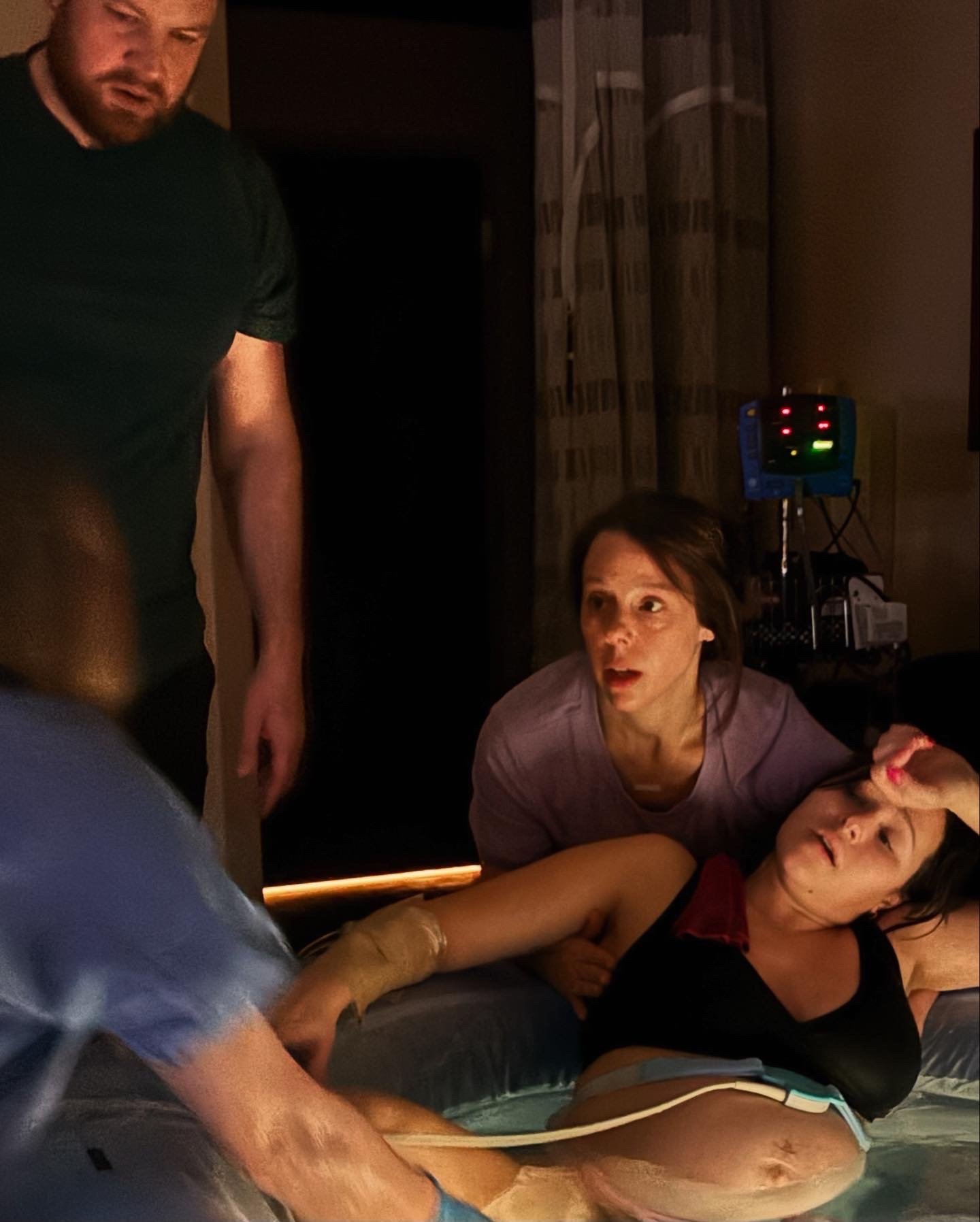
Instead of asking:
How can we help women cope with this system?
We can also ask:
How could we build a system that better understands women?
That shift may sound subtle.
It isn’t.
Because when we design birth, postpartum care and workplaces around the actual human experience of motherhood, we stop treating women’s needs as exceptions requiring special accommodation.
We begin treating them as something we expected all along.
And perhaps that is where meaningful change begins.
Not by asking mothers to become stronger, more organized or better at carrying everything.
But by creating a world in which they don’t have to carry quite so much alone.