
Looking for a simple way to begin practicing hypnobirthing? Start here.
→ FREE DOWNLOAD: Hypno-Relaxation Guide for Pregnancy & Birth
[DOWNLOAD YOUR FREE HYPNO-RELAXATION GUIDE]
→ Listen with Erica on Insight Timer
Explore Erica’s professionally curated hypnobirthing guided meditations, pregnancy relaxation practices, and birth preparation resources on Insight Timer.
[VISIT ERICA’S INSIGHT TIMER PAGE]
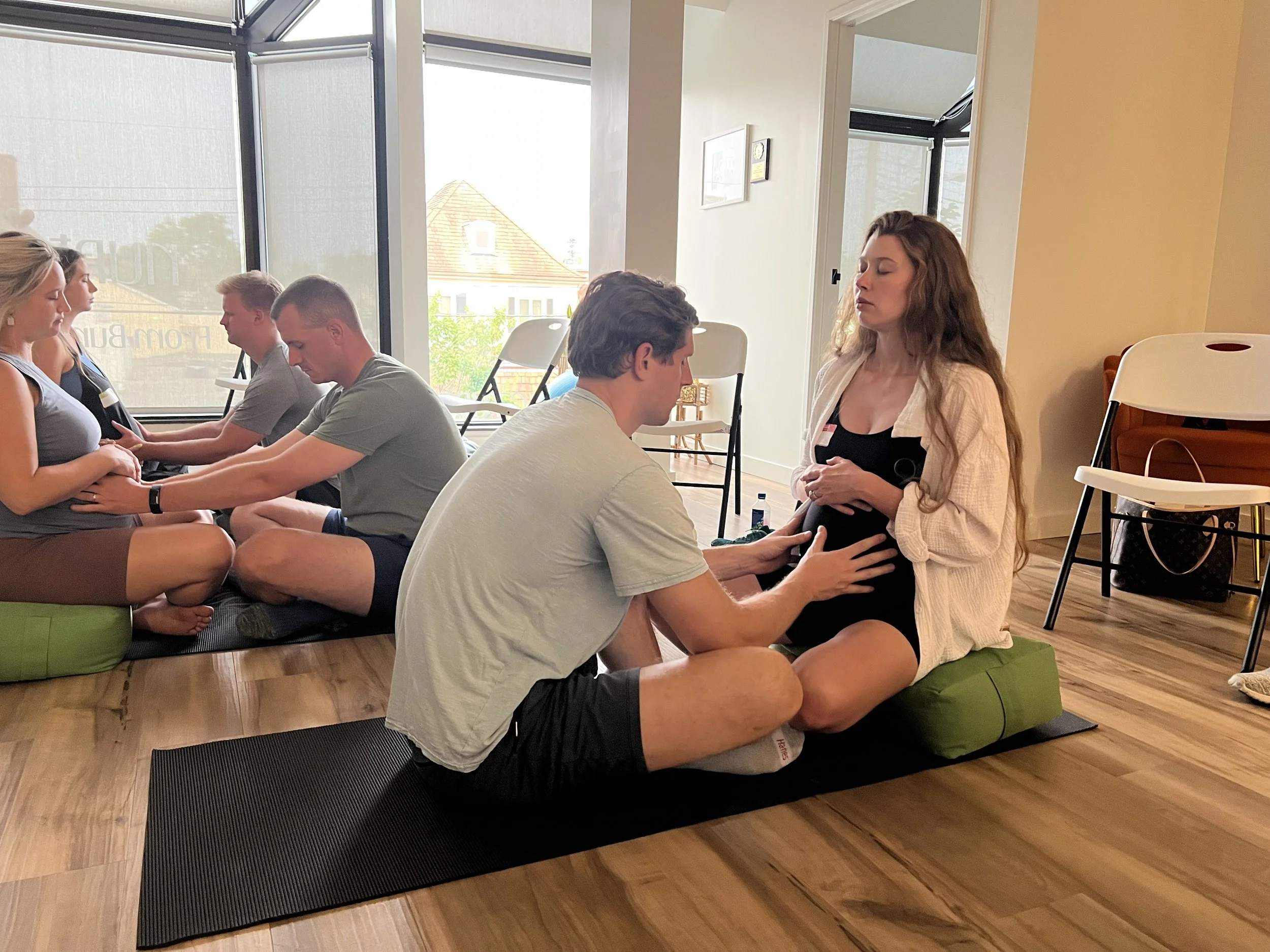
I have been teaching hypnobirthing in and out of clinical settings for over a decade. If you’ve been curious about hypnobirthing but aren’t quite sure where to begin, hypno-relaxation is one of the simplest—and most valuable—places to start.
You don’t need to be experienced with meditation. You don’t need to be able to completely clear your mind. And you certainly don’t need to be “good at hypnosis.”
Hypno-relaxation is about learning how to intentionally move your mind and body toward a calmer, more deeply relaxed state. During pregnancy, practicing this skill can give you a familiar set of tools to return to when labor begins.
At Birth With Ease®, we believe preparing for birth isn’t about trying to control exactly how your birth will unfold. It’s about developing knowledge, confidence, awareness, and practical tools that can support you through the experience.
Here’s how to begin.

What is Hypnobirthing?
Hypnobirthing is an approach to birth preparation that uses techniques such as guided relaxation, breathing, visualization, mindfulness, positive suggestion, and self-hypnosis to help you approach labor with greater calm and focus.
Despite the name, hypnosis isn’t about losing control or having someone else control your mind.
In a hypnobirthing context, you’re intentionally practicing focused attention and deep relaxation.
Think about becoming completely absorbed in a book, driving a familiar route and realizing you don’t remember every turn, or becoming so relaxed before sleep that the world around you begins to fade into the background.
That deeply focused, inward state is much closer to what we’re talking about.
Hypno-relaxation teaches you how to intentionally access a similar state—and how to return to it again and again.
Why Practice Hypno-relaxation>
Because Birth involves both the body and the mind.
When we feel frightened, uncertain, or overwhelmed, our bodies can respond with tension. And when we’re physically tense, uncomfortable sensations can sometimes feel even more difficult to navigate.
Relaxation practices offer another pathway.
Through repetition, you begin developing familiar cues that tell your body: You can soften here.
A particular breathing pattern may become familiar. A guided meditation may begin to signal relaxation. A visualization may help you redirect your attention. A phrase or affirmation may remind you of something you’ve practiced dozens of times before.
The goal isn’t to guarantee a painless birth or eliminate every moment of fear or intensity. The goal is to develop tools you know how to use.

It’s not about perfection
This may be one of the most important things for beginners to understand.
You don’t “pass” or “fail” at hypnobirthing.
Your mind will wander.
You might fall asleep during a guided meditation.
Some days you’ll relax quickly. Other days you’ll have a grocery list running through your head.
That’s okay.
The benefit is in returning.
Each time you notice your attention wandering and gently bring it back to your breath, your body, the voice guiding you, or your visualization, you’re practicing the skill.
Birth isn’t a meditation competition.
You’re building familiarity with relaxation so that when you need it, your body and mind have somewhere familiar to go.
How to Practice Hypno-Relaxation for Birth
If you’re just beginning, keep it simple.
1. Find a comfortable position
You don’t need a perfect meditation setup.
Sit comfortably, recline with pillows, or lie on your side—whatever feels supportive for your pregnant body.
The objective is comfort, not perfect posture.
2. Reduce distractions
Dim the lights if you’d like. Silence notifications. Close the door. Use headphones if that helps you focus.
You are creating a small window in your day where your nervous system doesn’t have to respond to everything around you.
3. Begin with your breathing
Don’t worry about forcing your breath into a complicated pattern.
Start by noticing it.
Then gradually allow your breathing to become slower and easier.
As you exhale, imagine releasing unnecessary tension from your jaw, shoulders, hands, abdomen, pelvic floor, and legs.
4. Allow your body to become heavy
Rather than trying hard to relax, imagine letting go.
Notice where your body is supported.
Let your shoulders drop.
Unclench your jaw.
Soften your hands.
Allow yourself to sink more fully into whatever is supporting you.
Sometimes relaxation comes more easily when we stop trying to relax and simply give ourselves permission to stop holding everything.
5. Give your mind somewhere to go
This is where guided hypnobirthing meditation can be particularly helpful.
Instead of asking your mind to become completely quiet, a guided practice gives your attention something gentle to follow.
That might include visualization, body relaxation, breathing cues, imagery, affirmations, or positive suggestions about birth.
If you’re new to the practice, check out my free hypno-relaxation guide:
→ [DOWNLOAD THE FREE HYPNOBIRTHING RELAXATION GUIDE]
How Often Should You Practice Hypnobirthing?
Consistency matters more than perfection.
You don’t necessarily need an hour-long practice every day.
Even 10–20 minutes of regular hypno-relaxation practice can help the process begin to feel familiar.
You might listen before bed, during an afternoon rest, after a shower, or whenever you naturally have a quieter part of your day.
As birth approaches, you may choose to practice more frequently.
Think of it like building muscle memory.
You’re creating associations between certain sounds, words, breathing patterns, visualizations, and a feeling of relaxation.
The more familiar those cues become during pregnancy, the easier they may be to access during labor.
Try Practicing in Different Environments
Once you’re comfortable with hypno-relaxation at home, try using elements of your practice in other settings.
Practice relaxing your jaw while riding in the car.
Use your breathing while waiting for an appointment.
Listen to a short meditation during your lunch break.
Try your relaxation cues when something mildly stressful happens.
Why?
Because birth probably won’t look exactly like your bedroom meditation practice.
There may be people talking. Lights may change. You may need to move locations. Someone may ask you questions.
Learning to return to your breath and relaxation even when your environment isn’t perfect can be an incredibly useful part of preparation.
Can Your Partner Be Part of Hypnobirthing?
Absolutely.
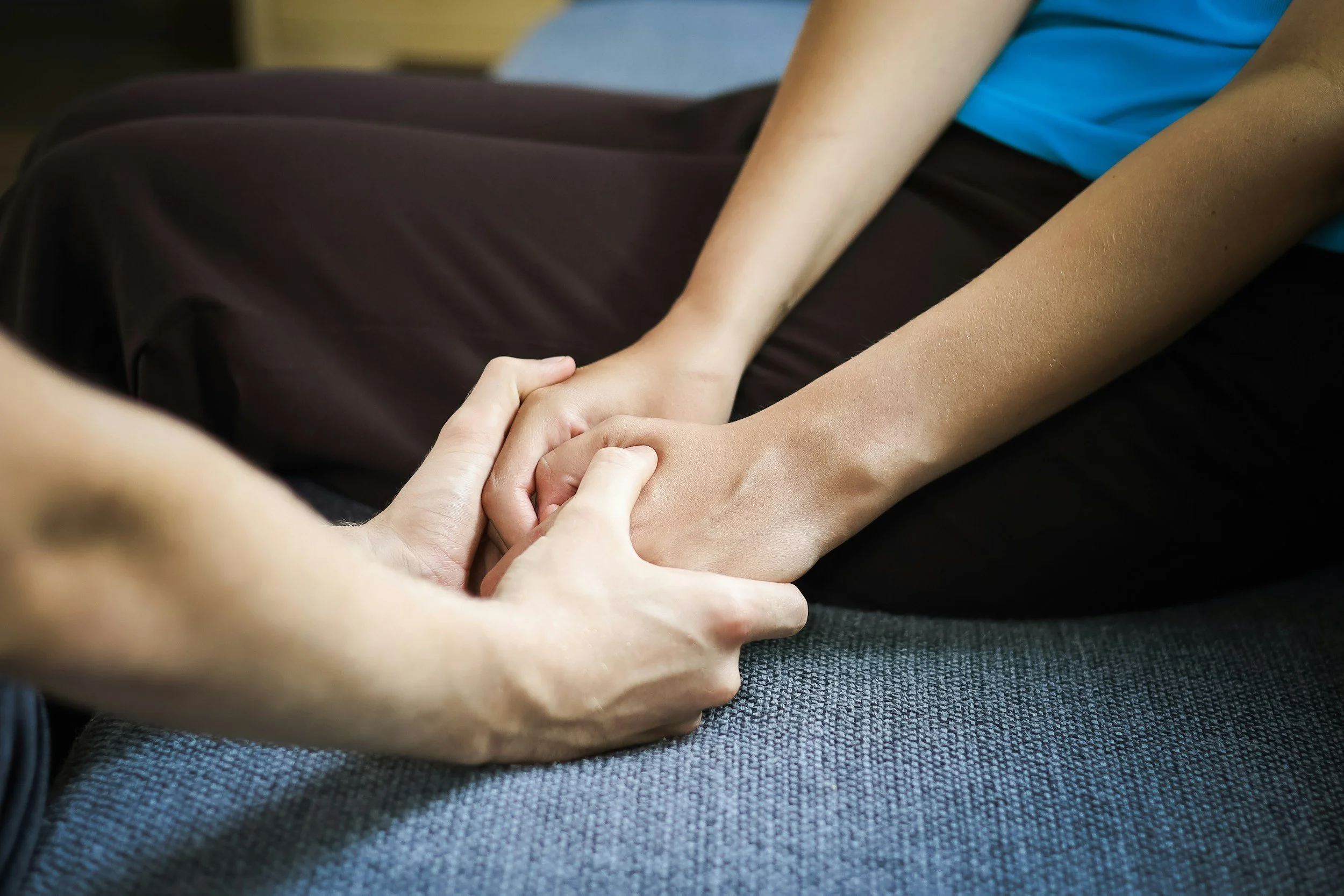
Your partner or birth support person can become familiar with the language, breathing cues, music, affirmations, and guided meditations you’ve been using.
That way, during labor, they don’t have to guess what might help.
They already know.
They might remind you to soften your shoulders.
Help create a quieter environment.
Breathe alongside you.
Play a meditation you’ve practiced with.
Use familiar words or touch as relaxation cues.
This transforms hypnobirthing from something you practice alone into something your support team understands too.
What If My Birth Doesn’t Go According to Plan?
This is exactly why I prefer to think of hypnobirthing as a tool rather than a birth plan.
Birth can change.
You may choose pain medication.
You may need an induction.
Plans may shift.
A Cesarean birth may become necessary.
None of those things erase the skills you’ve practiced.
Breathing, relaxation, visualization, self-hypnosis, and focused attention can still support you while waiting, making decisions, receiving an epidural, preparing for surgery, recovering, or simply finding a moment of calm when circumstances feel uncertain.
Hypnobirthing isn’t about proving that you can birth a particular way.
It’s about giving you more resources to draw upon while you birth.
Go Deeper: Hypnobirthing Meditations with Erica
Once you become comfortable with basic hypno-relaxation, you may want different meditations for different stages of pregnancy and birth preparation.
I’ve created and curated guided hypnobirthing meditations and relaxation resources on Insight Timer to help you continue building your practice.
You can use them for FREE as part of your pregnancy routine, birth preparation, evening relaxation, or simply when you need a few minutes to reconnect with yourself and your baby.
→ [EXPLORE ERICA’S HYPNOBIRTHING MEDITATION LIBRARY ON INSIGHT TIMER]
Start Small. Practice Often. Trust What You’re Building.
Preparing for birth can sometimes feel like another enormous list of things you’re supposed to learn.
Hypno-relaxation doesn’t need to become another item on that list.
Let it become the opposite.
A few minutes when you don’t need to accomplish anything.
A chance to become quiet.
A chance to notice your body.
A chance to connect with your baby.
And a chance to practice returning to yourself.
Because hypnobirthing isn’t about creating a “perfect” birth.
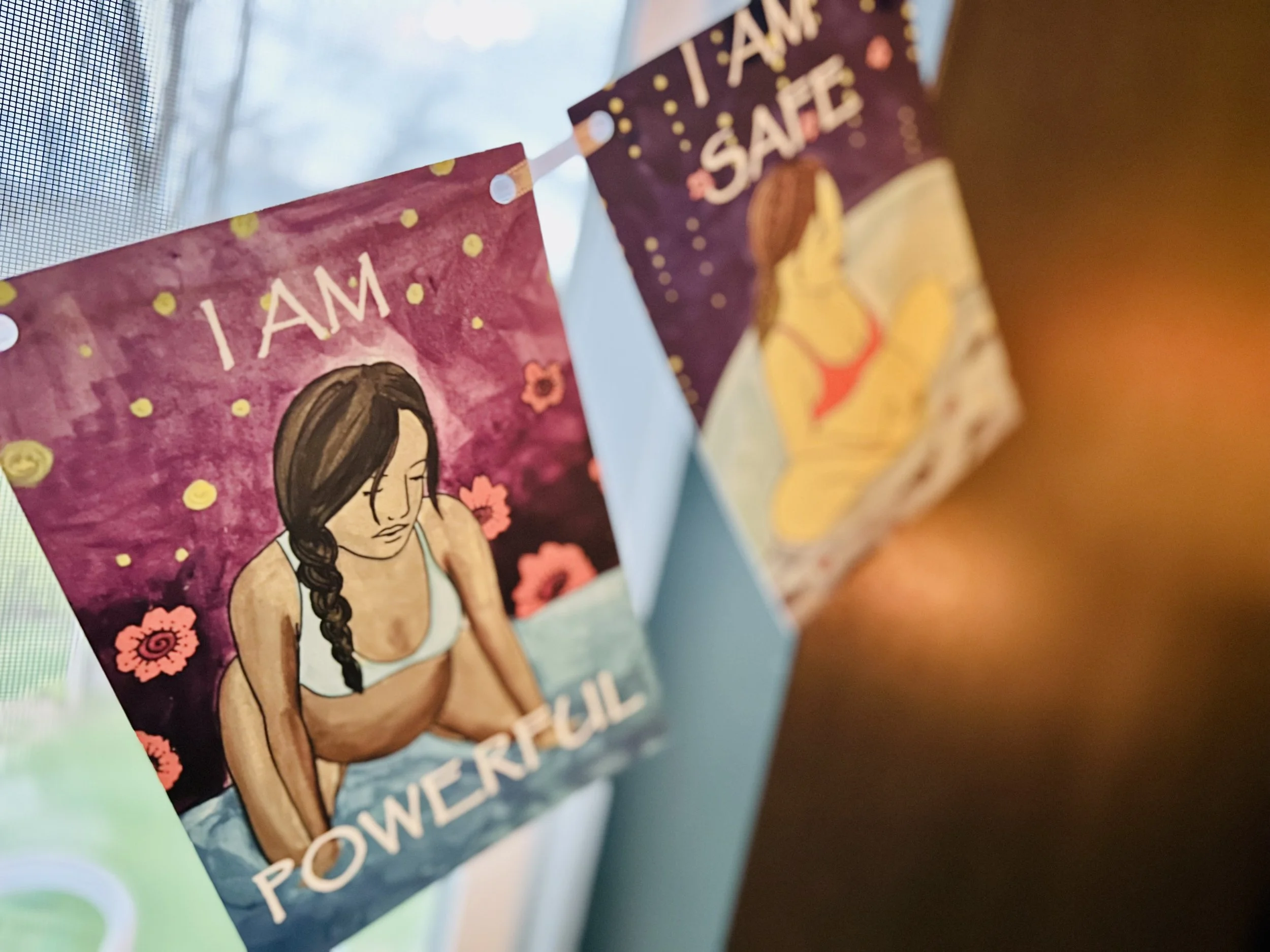
It’s about helping you enter birth with tools that already feel familiar—so when intensity rises, you have practiced pathways back to your breath, your body, and your own inner steadiness.
Ready to begin?
→ [DOWNLOAD YOUR FREE HYPNO-RELAXATION GUIDE]
→ [VISIT ERICA ON INSIGHT TIMER FOR MORE GUIDED HYPNOBIRTHING MEDITATIONS]
Birth With Ease® provides educational information and birth preparation resources. This content is not intended to replace individualized medical advice or care from your healthcare provider.